

America’s leading organic research farm gets a new, advanced certification.
The vision for regenerative organic agriculture grew out of the fertile soil at the Rodale Institute main campus. Since the 1970s, scientists and farmers there have been raising crops and livestock and studying the impact of soil management practices on food quality and human health. Now this Kutztown, Pennsylvania, research farm has submitted to a rigorous, independent evaluation and received “Regenerative Organic Certified” status and the “ROC” seal of approval.
“Certifying our farm helps us to educate other farmers that this certification exists and is accessible to them.”
—Jesse Barrett, Farm Operations Specialist
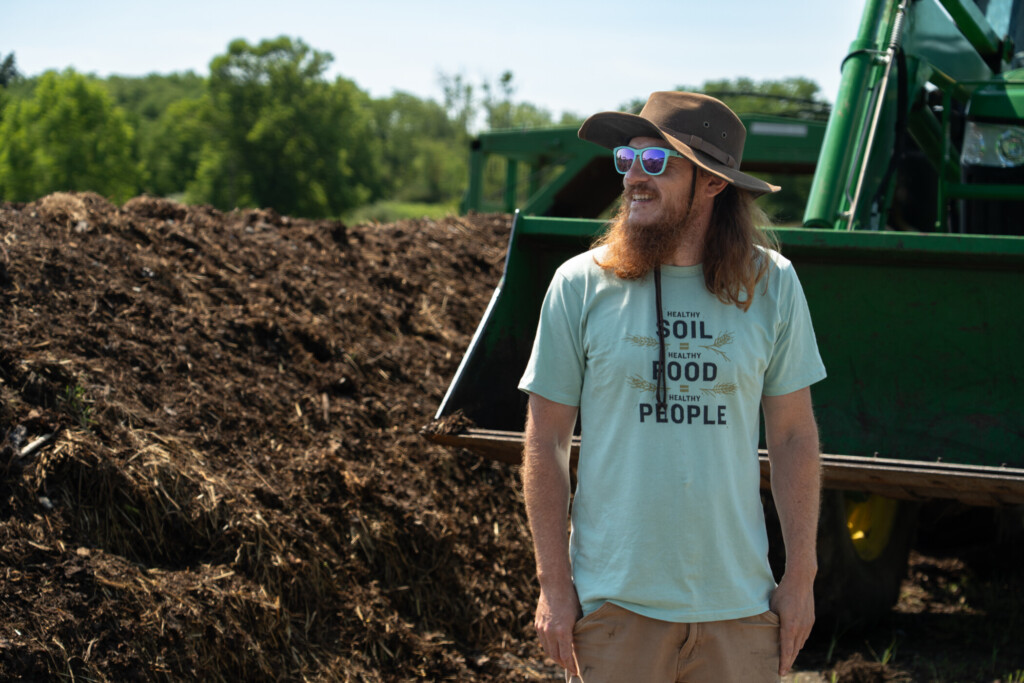
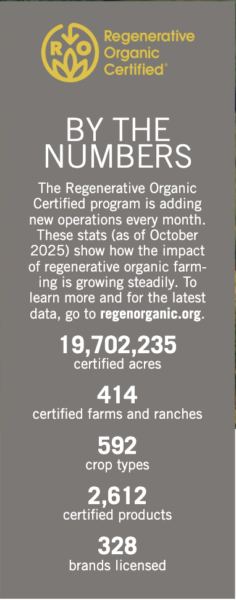 “We lead by example,” says Jesse Barrett, Rodale Institute’s farm operations specialist. “Certifying our farm helps us to educate other farmers that this certification exists and is accessible to them.”
In 2017, Rodale Institute joined with other farmers, researchers, and business leaders to establish the Regenerative Organic Alliance, a nonprofit aimed at creating a healthy food system that respects land and animals, empowers people, and restores communities and ecosystems through regenerative organic farming. The standards the alliance developed for producers of food, textiles, and personal-care ingredients build on the requirements for the “USDA Organic” certification and address various consumer concerns about current farming practices. The ROC seal is shorthand you can use to ensure that the brands you are buying value healthy soil, healthy food, healthy people, and a healthy planet.
Three Pillars
Soil Health.
To achieve ROC designation, farmers must nurture the vitality of the soil by planting cover crops, pasturing livestock, applying compost, and using other chemical-free practices. Soilless systems, such as hydroponics, can currently receive the USDA Organic certification, but they are not eligible for the ROC label. “Soil building is the foundation of everything we do,” Barrett says.
Animal Welfare.
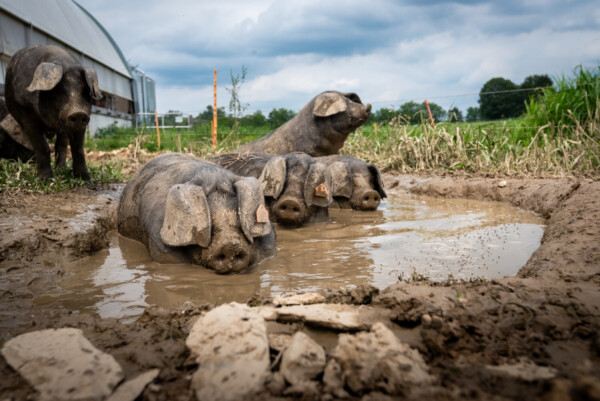
Meat and dairy operations that have earned ROC status provide their livestock with spacious shelter, access to pastures, freedom to express natural behaviors, and protection from unnecessary suffering. The practices of confined animal feeding operations (CAFOs), which produce about 99 percent of meat currently sold in the US, are prohibited. The conditions for the hogs in Rodale Institute’s pastured pork production research project and for the cattle raised at the farm exceed the ROC standards, Barrett reports.
Social Fairness.
The USDA Organic certification has no requirements for the treatment of people, but ROC operations must pay living wages to farmers and other workers in addition to ensuring that they have safe working conditions and the freedom of association (with a union). “The audit of our human resources department, which included reviewing employee complaints and pulling pay stubs, was very in-depth,” Barrett says. “It left me thinking we should develop tools like templates for workplace policies and employee handbooks. They would be helpful to a lot of farmers.”
Leveling Up
Another distinctive standard of ROC operations is the progressive improvement in practices that benefit the land and all the life forms that depend on it. The Rodale Institute farm has earned the bronze level of certification. The institute will next work toward silver certification, following the same steps as all farms working through the ROC process. Farms at the gold level are connecting to other ROC operations that process and distribute the harvest. “The goal is to bring more regenerative organic products to the marketplace,” Barrett says, “so building out the supply chain is key to achieving the highest level of certification.”
This story was originally published in the 2025 Rodale Institute Journal.